- Read articles by experienced filmmakers,
- Watch short films and clips from great movies,
- Watch interviews with great directors, directors of photography, and others,
- Do fun, hands-on exercise in class,
- Write "Treatments" and short screenplays,
- Storyboard,
- Break down scripts into shoots, plan shoot schedules.
This class's goals are to
- Build an appreciation for the craft and art of filmmaking and the time and planning required to tell stories well,
- Teach the process of filmmaking, from idea to screen, and
- Develop the skills necessary to plan, direct, shoot, and edit your own films.
In the Fall semester, we will learn the foundational skills needed to make films and in the Spring we will continue to practice and improve our skills while working together to write, plan, shoot, and edit one short film. We will show this film at the Expo in May.
Textbook
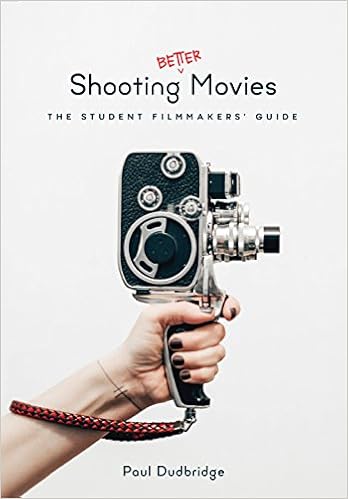
Students will read sections the following book, but will also be assigned articles on the web, short films and videos to watch and comment on.Shooting Better Movies: The Student Filmmaker's Guide by Paul Dudbridge
Required Materials
An email addressNotebook (a 3-ring would be good since we will be handing out scripts and you might want to print some of the assigned articles)
A computer with video editing software
A smartphone, iPod Touch, iPad, or digital video camera
A tripod or rig
(I highly recommend, but do not require, Filmic Pro, a video capture app for iOS and Android)
Optional Equipment
(LOTS of inexpensive do-it-yourself options here!)External microphone for capturing better audio
Lights, diffusers, and reflectors
Cameras and Computers
"Pro-sumer" digital video cameras can cost hundreds and even thousands of dollars. There is value in handling professional video equipment and we may have visitors throughout the year bring equipment to demonstrate. If you have access to a good digital video camera, please use it, but current smartphones, iPod Touches, iPads, and point-and-shoot cameras can capture video good enough to edit and show. You will need to use a camera that lets you transfer video to a computer for editing. The class TV has an HDMI cable and I will have an SD card reader and iPad/iPhone HDMI adapters in class.Decent, free video editing programs are available for Mac, Windows, and iPad. Some software is covered in the posts on the home page of this site. If you have access to Apple Final Cut Pro or Adobe Premiere, that's great, but they are not required. Especially for the first semester, it would be better to focus on storytelling and foundational filmmaking skills rather than to get distracted figuring out a complicated editing program. We will do more sophisticated editing in the Spring semester.
Written Assignments
General written assignments should follow MLA formatting guidelines. For the first week you will hand in a list of your five favorite films. This is how it should look:Student Name
Mr. Scott Howard
Filmmaking Workshop
14 August 2019
My Five Favorite Movies
1. Gattaca. Explores thought provoking themes, beautiful cinematography and score, well paced story, good tension, great acting performances by some of my favorite actors.
2. The Incredibles. Fun, heart-beating action, great villain, well composed shots, good dialog, unexpected twists well resolved, family affirming.
3. ...
Once we get to screenwriting, shoot schedules, call schedules, etc. we will use formats used in the film industry.
Help with Shoot Days
A few times during the year, mainly in the Spring, we will get together for more involved shoots. These usually happen on Friday nights and/or Saturdays. We will solicit help from parents for food, beverages, transportation, and other logistical help to keep our crew happy and healthy during these shoots. These are a lot of fun for everyone involved.
Grading
Weekly assignments will usually take no more than 60 minutes, except when an assignment is to watch a movie, but some practical assignments could take longer. Class participation and handing in assignments on time will figure largely in the grading for this class. Filmmaking is learned best by making films, alone and in collaboration with others. You learn most by actually doing.Assignments must be turned in by Tuesdays at noon to be counted; no exceptions unless previously arranged with the teacher before the due date.

No comments:
Post a Comment